
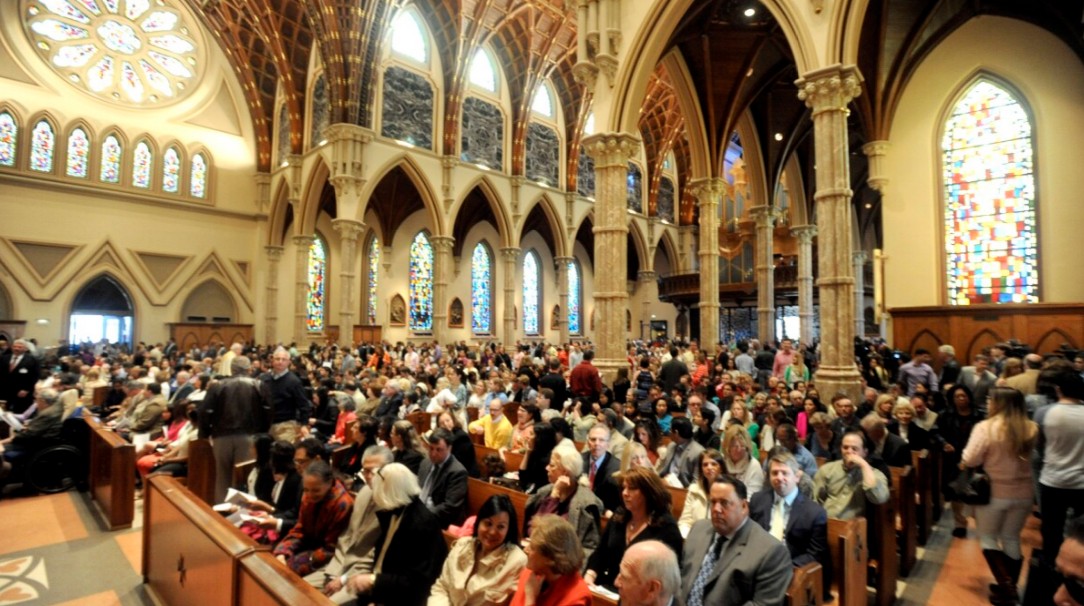
As dawn breaks on Sunday, April 5, 2026, churches from New York to Nairobi, Sydney to Seoul fill with the triumphant sounds of hymns proclaiming “He is risen! He is risen indeed!” This is Easter Sunday, the most sacred day in the Christian calendar, marking the resurrection of Jesus Christ from the dead nearly 2,000 years ago.
For millions of believers, today is not just another spring morning it is the ultimate celebration of hope, victory over death, and the promise of eternal life.
With Easter Sunday 2026 falling on April 5, families, communities, and congregations across every continent are gathering to reflect on this foundational event that continues to shape faith, culture, and personal renewal in a rapidly changing world.
In an age of uncertainty, economic pressures, and spiritual searching, the message of Easter Sunday 2026 resonates more powerfully than ever. This comprehensive news feature explores the profound significance of the day, the precise reasons Easter falls on April 5 this year, the complete Holy Week journey that led believers here, the rich liturgical and cultural traditions observed worldwide, and the timeless relevance of the resurrection for contemporary life.
Whether you are a lifelong Christian seeking deeper understanding or simply curious about why April 5, 2026, holds such importance for over two billion people globally, this article provides clear, detailed insights into Easter Sunday 2026.Understanding the Core Meaning of Easter SundayEaster Sunday stands at the very heart of Christianity.
It commemorates the resurrection of Jesus Christ three days after his crucifixion on Good Friday. According to the Gospels, Jesus executed by Roman authorities rose bodily from the tomb, first appearing to Mary Magdalene and later to his disciples. This event is not viewed as a symbolic story but as historical reality that validates the entire Christian faith.
The Apostle Paul captured its importance perfectly: without the resurrection, faith would be meaningless and sin unforgiven.The theological depth of Easter Sunday 2026 goes far beyond a single day of celebration.
It represents God’s decisive triumph over sin, death, and darkness. The resurrection fulfills ancient prophecies, demonstrates divine love in action, and offers every believer the hope of new life. Unlike Christmas, which celebrates Jesus’ birth, Easter completes the story of redemption.
It is why the early Church called Easter the “Queen of Feasts,” a title it still holds today. On April 5, 2026, pastors and priests worldwide will preach on the empty tomb, urging congregations to live as “Easter people” transformed by hope and called to share that hope with others.Why Easter Falls on April 5, 2026: The Ancient Calendar ExplainedOne of the most frequently asked questions this weekend is “Why is Easter on April 5 in 2026?” The answer lies in a precise, centuries-old formula established by the Council of Nicaea in 325 AD.
Easter Sunday is always the first Sunday after the first full moon following the spring equinox (traditionally March 21 in the Western Gregorian calendar). For 2026, the spring equinox occurred on March 20, the first full moon after it fell on March 31, and the following Sunday is April 5 making this Easter Sunday 2026.
This movable date ensures Easter remains tied to both solar and lunar cycles, reflecting the historical timing of Passover and the resurrection. The 2026 alignment is especially noteworthy because many Eastern Orthodox churches, which use the Julian calendar, are also celebrating Pascha on the exact same day.
This rare coincidence fosters a sense of shared Christian unity rarely seen in modern times.The method combines faith and astronomy, reminding believers that the resurrection is rooted in real historical time while remaining relevant across generations. Ecclesiastical authorities continue to publish these dates years in advance so families and churches can plan Easter Sunday 2026 services, egg hunts, and family gatherings with confidence.
Holy Week 2026: The Sacred Path to Easter SundayEaster Sunday does not arrive in isolation. It crowns Holy Week, a period of intense reflection that unfolded this year as follows:Palm Sunday (March 29, 2026): Crowds waved palm branches to recall Jesus’ entry into Jerusalem, blending celebration with the shadow of coming suffering.
Maundy Thursday (April 2, 2026): Also known as Holy Thursday, this day remembers the Last Supper, the establishment of the Eucharist, and Jesus washing his disciples’ feet as a model of humble service.
Good Friday (April 3, 2026): The solemn day of the crucifixion, observed with fasting, cross veneration, and quiet services as churches stripped away decorations.
Holy Saturday (April 4, 2026): A day of watchful waiting, often featuring the beautiful Easter Vigil with its lighting of the Paschal Candle and ancient hymns.
On Easter Sunday, April 5, 2026, the tone shifts dramatically to joy. The word “Alleluia,” absent throughout Lent, returns with full force. White and gold vestments appear, churches overflow with spring flowers, and the atmosphere becomes one of pure celebration. Sunrise services at beaches, parks, and hilltops echo the biblical women discovering the empty tomb at first light.
Liturgical Traditions and Powerful Symbols of Easter 2026Across Catholic, Protestant, Anglican, and other Christian traditions, Easter Sunday services on April 5 feature carefully chosen Bible readings from the Acts of the Apostles, the Gospels, and Psalms of praise. The Paschal Candle lit during the Easter Vigil burns brightly as a symbol of the risen Christ’s presence. Many churches hold baptisms and confirmations on this day, welcoming new believers through the waters of rebirth.
Symbols abound: Easter eggs represent the new life breaking forth from the tomb, lilies symbolize purity and resurrection, and festive meals often feature roast lamb in remembrance of the Passover. In homes and communities, the exchange of greetings (“He is risen!”) reinforces the central message.
These traditions, practiced on Easter Sunday 2026, connect modern believers directly to the first Easter morning.Global Expressions of Easter Joy in 2026Easter Sunday 2026 is celebrated with remarkable cultural diversity while maintaining its universal meaning. In the United States and Europe, families attend sunrise services and enjoy colorful egg hunts.
Latin American communities organize vibrant processions and passion plays that draw thousands. Eastern European traditions include the blessing of elaborate food baskets and the sharing of intricately decorated pysanky eggs.
In Africa and Asia, local music, dance, and communal feasts blend with the resurrection story, creating uniquely joyful expressions of faith. Even in more secular societies, the day prompts reflection on themes of hope and renewal. Retailers and travel sites report increased family gatherings, while online searches for “Easter Sunday 2026 services near me” and “Easter 2026 date” reach their peak today.Optional Memorial of St. Vincent Ferrer on April 5Although Easter Sunday completely takes precedence, the Roman Catholic liturgical calendar notes April 5 as the optional memorial of St. Vincent Ferrer (1350–1419). This Dominican preacher, known for his powerful calls to repentance during times of plague and church division, serves as an inspiring secondary figure. His legacy of bold Gospel proclamation complements the Easter message that the risen Christ empowers believers to share hope courageously.A Rare Moment of Christian Unity: Eastern Orthodox Pascha 2026Most Eastern Orthodox churches calculate Pascha using the Julian calendar, often resulting in a different date from Western Easter. In 2026, however, the calendars align perfectly on April 5. Orthodox faithful will gather for midnight services featuring dramatic processions, the repeated proclamation “Christ is Risen! Truly He is Risen!”, and the sharing of red-dyed eggs. Ecumenical leaders view this shared celebration as a providential sign of potential deeper unity among Christians.The Enduring Relevance of Easter Sunday 2026In 2026, as technology reshapes daily life and global challenges test resilience, Easter Sunday on April 5 offers an unchanging anchor.
It invites believers and seekers alike to consider the historical evidence of the resurrection, the power of forgiveness, and the assurance that death does not have the final word. The day calls individuals to personal renewal whether through quiet prayer, family meals, or communal worship.Conclusion: Hope That TransformsEaster Sunday 2026 on April 5 encapsulates the essence of Christianity: the resurrection of Jesus Christ as the decisive victory that changes everything.
From the careful astronomical calculation of its date to the worldwide explosion of joy, from ancient liturgies to modern family traditions, this holy day weaves faith, history, culture, and hope into a single powerful narrative.
As Christians across time zones proclaim “Alleluia!” today, they affirm a truth that has endured for centuries and will continue to inspire future generations: Christ is risen, and in him all things are made new.May the light of Easter Sunday 2026 bring fresh hope, renewed faith, and lasting joy to every heart and home. For those searching online today for “Easter Sunday 2026,” “April 5 Easter meaning,” or “Holy Week 2026,” this celebration offers an open invitation to experience the resurrection hope that remains as relevant now as it was on the very first Easter morning.