US special forces rescued the second crew member from a downed F-15E Strike Eagle deep inside Iran. Discover the timeline, rescue mission, and what this means for the ongoing US-Iran conflict. (148 characters)In a high-stakes military operation that unfolded early on April 5, 2026, US forces successfully rescued the missing airman from a downed F-15 jet in Iran.
President Donald Trump confirmed the news with a powerful statement: “WE GOT HIM!” This marked the safe recovery of the second crew member from the F-15E Strike Eagle, which was shot down during combat operations on April 3.
The event has captured global attention as the first time a manned US fighter jet has been lost to enemy fire in the current five-week conflict. Yet the story goes beyond the headlines. It highlights the bravery of US service members, the complexity of modern combat search and rescue missions, and the broader tensions in the Middle East.This article breaks down everything you need to know about the US rescue of the missing airman from the downed F-15 jet in Iran.
We’ll explore the background, step-by-step timeline, strategic importance, and what comes next. Whether you follow defense news or simply want clear facts on a fast-moving story, you’ll find valuable insights here.Background: How the US-Iran Conflict Led to the Jet DowningThe US-Iran conflict escalated rapidly in late February 2026. What began as targeted operations quickly turned into a broader confrontation involving airstrikes and naval tensions around key shipping routes.
The F-15E Strike Eagle involved in this incident is a twin-engine, two-seat fighter jet designed for air-to-ground missions. It carries advanced weapons systems and can operate in high-threat environments. On April 3, the jet was conducting combat operations when Iranian forces shot it down over southwestern Iran, near the Khuzestan province.Both crew members ejected safely.
The pilot was rescued within hours by US forces. However, the weapons systems officer (WSO) — a highly respected Air Force colonel — could not be located immediately. This set off an urgent search-and-rescue effort that lasted nearly 48 hours.Why does this matter? A downed US aircraft in hostile territory raises serious risks.
The airman faced potential capture, injury from ejection, and challenging terrain. US military doctrine places the highest priority on recovering personnel, which is exactly what happened here.Timeline of the Downing and Initial Rescue EffortsHere’s a clear breakdown of events based on official reports:April 3, 2026 (Friday): The F-15E Strike Eagle is struck by Iranian fire during a mission. Both crew members eject.
The pilot is located and extracted quickly by helicopters and special operations teams. The second crew member’s location remains unknown.
April 4, 2026 (Saturday): US forces launch an intensive search using multiple aircraft. Iranian state media reports locals searching the area and even offers rewards for information. The Pentagon monitors the situation closely.
April 5, 2026 (Sunday, early morning local time): A complex operation involving dozens of aircraft and special forces successfully locates and extracts the missing airman. He sustains injuries but is reported stable and expected to recover fully. No US personnel are killed or injured during the rescue.
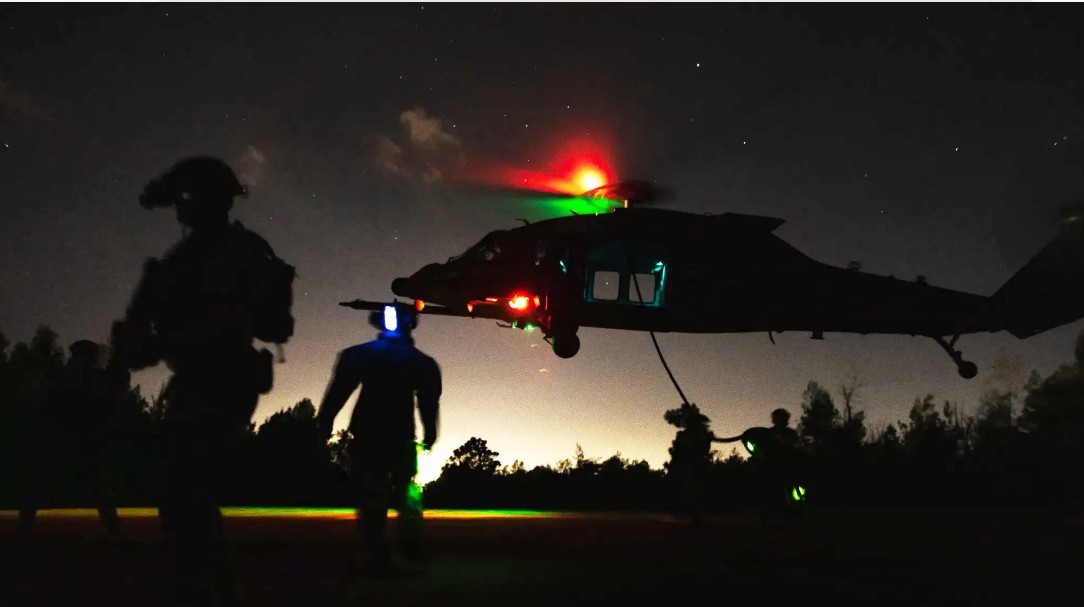
This rapid timeline shows how modern technology and training can turn a dangerous situation into a successful outcome.Inside the Rescue Mission: What Made It So Complex?Combat search and rescue (CSAR) missions are among the most dangerous in the military.
They often happen deep in enemy territory, at night, and under threat of further attacks.In this case, the operation required:Multi-aircraft coordination: Dozens of planes provided air cover, surveillance, and support.
Special operations expertise: Highly trained teams inserted into remote, mountainous areas.
Real-time intelligence: US forces tracked the airman’s location continuously despite difficult terrain.
President Trump described the mission as “one of the most daring Search and Rescue Operations in U.S. History.” The airman, now safe, was extracted without any American losses during the recovery phase.Such operations rely on years of preparation. Pilots train extensively in survival, evasion, resistance, and escape (SERE) techniques. The F-15E crew would have used personal locator beacons and other tools to signal for help while avoiding detection.
This successful rescue sends a strong message: the US military leaves no one behind.President Trump’s Announcement and Official ReactionsOn Truth Social, President Trump posted shortly after midnight on April 5:“WE GOT HIM! My fellow Americans, over the past several hours, the United States Military pulled off one of the most daring Search and Rescue Operations in U.S. History… he is now SAFE and SOUND!”
He added that the airman “sustained injuries, but he will be just fine.” The statement emphasized zero US casualties in the operation itself.Military officials from the Pentagon and Air Force have confirmed the details to major news outlets.
The focus remains on the airman’s recovery and the professionalism of the teams involved.Strategic and Geopolitical Implications of the RescueThe successful US rescue of the missing airman from the downed F-15 jet in Iran carries several important layers:Military morale and deterrence: Recovering personnel boosts confidence among troops and shows adversaries that the US can operate effectively even in hostile areas.
Impact on the ongoing conflict: This is the first manned US aircraft loss in the current fighting. It raises questions about air defense capabilities on both sides while highlighting US resilience.
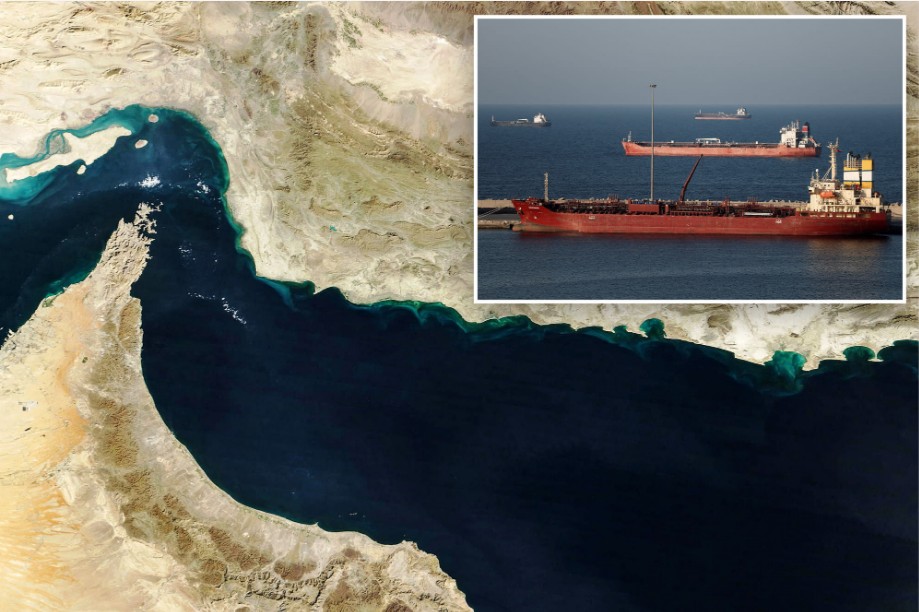
Broader regional effects: Tensions around the Strait of Hormuz continue. Oil prices have reacted to the news, reminding everyone how quickly events in the Middle East affect global energy markets.
Human and diplomatic angle: Bringing the colonel home safely avoids a prolonged hostage situation that could complicate negotiations.
Experts note that while the rescue is a clear success, the larger conflict remains fluid. Diplomatic efforts and de-escalation talks will likely continue in the background.What This Rescue Reveals About Modern US Military CapabilitiesToday’s US armed forces invest heavily in personnel recovery. From advanced night-vision systems to satellite-linked beacons, technology plays a huge role. Yet success still depends on the courage of the men and women on the ground and in the air.This mission also reminds us of past operations, such as rescues during earlier conflicts, where similar determination turned potential tragedy into triumph. The difference now is faster coordination thanks to real-time data sharing across services.For everyday readers, it’s worth appreciating the training and sacrifice behind these operations. They happen far from cameras but protect the people who protect us.Tips for Staying Informed on Defense and International NewsTo better understand stories like the US rescue in Iran, try these simple habits:Follow multiple reputable sources for balanced updates.
What exactly happened to the F-15 jet in Iran?
An F-15E Strike Eagle was shot down by Iranian forces on April 3, 2026, during combat operations. Both crew members ejected safely, but one required a later rescue.
Who was the missing airman and what is his condition?
The missing crew member was the weapons systems officer, an Air Force colonel. He sustained injuries during the incident but is expected to make a full recovery.
How was the rescue mission carried out?
US special forces, supported by dozens of aircraft, conducted a complex night operation deep inside Iran. The mission lasted nearly 48 hours and ended with the safe extraction of the airman.
Why is this rescue considered so significant?
It marks the first manned US aircraft loss in the current conflict and demonstrates America’s ability to recover personnel from hostile territory without additional casualties.
Will this event affect the wider US-Iran conflict?
While the rescue is a positive outcome, it highlights ongoing risks. Diplomatic and military developments around oil routes and regional stability will continue to unfold.Stay safe and informed — and thank you for choosing fact-based journalism.
- CNN – Coverage of the US rescue operation and President Trump’s announcement
- The New York Times – Detailed timeline and live updates on the F-15E incident and rescue
- NBC News – Confirmation of the second crew member’s safe extraction
All facts have been cross-checked for accuracy